
-
Products & Services
-
-
News & Events


Long-Term Needs in Chronic Respiratory Management
Inhalation Therapy Adherence
Chronic respiratory conditions are, by their nature, managed over years rather than weeks, and the clinical value of any inhaled therapy depends heavily on the patient doing it consistently. In the self-management paradigm that dominates Western respiratory care, the device is not a one-time prescription but a daily companion — and its experience, hour after hour, decides whether adherence holds or silently slips. Aerosol particle-size stability, per-dose consistency, and ease of use are therefore not cosmetic features; they are the productized expression of adherence.
The levers behind adherence are often the small, overlooked ones: whether each session takes a stable amount of time, whether medication residual stays controllable, whether cleaning is quick, and whether the device needs frequent recalibration. For a person living with a chronic condition, a single episode of "the mist felt different today" or "cleaning is too much hassle" can translate into skipped doses or abandoned therapy. A device worth living with, long-term, is one where consistency and simplicity are engineered rather than hoped for. DSB anchors particle-size stability and per-dose control in its microfluidic-chip and micro-orifice technology base, and anchors ease of use in the mechanical design — translating a clinical concept like adherence into a manufacturable, batch-reproducible capability.
Home and Institutional Nebulization Needs
Home nebulization and hospital nebulization pull the same technology in almost opposite directions. A home user prioritizes portability, low noise, easy cleaning, and everyday safety; a clinical setting prioritizes throughput, hygienic management across many patients, and durability under high-frequency use. The home user wants a device quiet enough not to disturb the household, light enough to carry, and simple enough to clean daily; the hospital wants confidence that a device used by multiple patients can be handled hygienically between uses, that it survives continuous operation, and that single-use delivery components stay controllable in cost.
DSB's mesh nebulizers, through vibrating-mesh technology, deliver quiet, efficient, low-residual nebulization that can serve both ends of that spectrum. The same core — a vibrating mesh that produces a fine aerosol — is packaged and accessorized differently for the home channel and the institutional channel. This is what "offering the right form to the right channel" means in practice, and it is the reason a single technology line can serve such different buyers without compromise. See the product pages for specifications.
Self-Management and Adherence at Home
Western respiratory care increasingly colocates responsibility in the hands of the person living with the condition, supported by a care team and by respiratory therapists who coach technique and troubleshoot. In that model, the device becomes part of the person's daily infrastructure, and its design choices ripple through their quality of life: a device that is quiet, quick, and portable slots into a routine; a device that is noisy, slow, or fragile becomes a daily source of friction and, ultimately, a reason to skip therapy.
Self-management depends on a device that behaves the same way every time, because consistency is what lets a person build a habit around it. When the aerosol output, the session length, and the residual volume are stable from one day to the next, the person knows what to expect and can fit therapy into the rhythm of their day. When those parameters drift, every session becomes a small negotiation with the device — a drain on the mental energy that adherence already requires. DSB regards that consistency as a engineering requirement rather than a hope, controlling the mesh at the component level and securing the assembly so that the device the user received behaves like the device they were trained on.
Portability and discretion are the quiet enablers of that daily habit. A device that can sit in a bag or a car and run quietly in a spare moment lets a person keep therapy alive across travel, work, and family commitments, rather than anchoring them to a fixed place and hour. For a home user, this is often the difference between a regimen that survives real life and one that fades politely into the background of a busy schedule. The same qualities serve the increasingly common blended model in which a person manages their condition at home while staying connected to a clinic through follow-ups, remote check-ins, and a respiratory therapist who adjusts the plan between visits. In that model, the device is the constant — the one element of the care plan that travels with the person, day after day — and its reliability is therefore the foundation on which the whole self-management arrangement rests.
Respiratory Therapy and Clinical Workflow
In the clinical setting, the same principles appear in a more formalized shape. Respiratory therapists and ward staff manage nebulization in conditions of high throughput and multiple patients, so the device's hygienic profile, its speed, and its durability are the operational variables that matter most. A fast, reliable nebulizer shortens the per-patient time, a cleanable design supports safe reuse, and low residual volume reduces waste and improves dose predictability — all of which compound across a full schedule of treatments.
The division of labor between product and practice is worth stating plainly: the device provides the consistent aerosol, while the therapist provides the technique coaching, the regimen, and the clinical judgment. DSB's role is the device side of that partnership — engineered for repeatability and ease of use so that the professional's time goes toward the patient rather than toward fighting the equipment. In this sense, the product is not a substitute for a clinician; it is the reliable instrument that lets skilled practice work as intended.
The adherence connection reaches the clinic directly through the hand-off. When a patient leaves the hospital with a home nebulizer, the transition from supervised, therapist-assisted therapy to self-managed therapy is a known risk point. The closer the home device behaves to the device the patient was trained on in the clinic — the same session length, the same feel, the same cleaning routine — the smoother that transition is. A hospital pharmacy or discharge team that standardizes on one device family across inpatient and home channels is, in effect, de-risking the discharge hand-off, because the patient does not relearn a new device at the same moment they take responsibility for their own care. This continuity of equipment across the care boundary is a practical, often under-weighted contributor to post-discharge adherence.
Hygiene and Cleaning in Daily Respiratory Care
Because an inhaled therapy delivers aerosol directly toward the airway, the cleanliness of the delivery path is a standing concern for both home users and clinicians. For a mesh nebulizer, the practical hygiene questions are concrete: how easily the medication cup and mesh can be cleaned and dried, whether residual medication builds up and affects the next dose, and whether the device is designed so that cleaning does not demand special tools or skills. A device that is difficult to clean will simply not be cleaned as often as it should be.
Low residual volume serves hygiene indirectly as well as dose accuracy directly. The less medication left behind after a session, the less material there is to degrade, block, or support microbial growth, and the simpler the cleaning task becomes. For a home user cleaning once daily, that means a shorter, more reliable routine; for a clinical setting cleaning between patients, it means a faster, more reliable turnaround. DSB designs its mesh nebulizers with this in mind — easy-dismantled, easy-cleaned delivery parts and low dead-volume geometry, so the hygiene ask stays proportionate to the skill of the person doing it. Follow the manufacturer's cleaning guidance and any clinical instructions applicable to the specific product.
DSB Medical Respiratory Product Line
Mesh Nebulizers DXneb™ / FreeHala™
DXneb™ and FreeHala™ are DSB mesh nebulizers that use vibrating-mesh technology to produce a fine aerosol, with quiet operation, portability, and low residual volume, suited to both home and clinical nebulization. The precision and consistency of the core mesh component rest on DSB's microfluidic-chip and micro-orifice technology base and are secured by automated assembly.
The performance of a mesh nebulizer is, to a large degree, decided by a component most users never see: the fine mesh itself. The uniformity of its pores, the consistency of their distribution, and its durability all determine whether the output particle size stays stable and whether the device holds up over time. It is an "invisible capability" that nevertheless separates a device that stays consistent from one that degrades with use. DSB manufactures the mesh in-house, controls pore precision through microfluidic-chip technology, and locks in device-level consistency through automated assembly — so the user feels stable output across the device's life. For channel customers, that same consistency means lower after-sales rates and more predictable reputational outcomes.
Dry Powder Inhaler GoldHaler®
GoldHaler® is DSB's dry powder inhaler (DPI), supporting stable, repeatable dry-powder delivery through optimized airway and dose-release structures. The product serves private-label and CDMO customers, with customizable dose range and inhalation-resistance matching to a given drug formulation.
The technical challenge in a dry powder inhaler is delivering the same dose, fully de-agglomerated, with each patient inhalation — and doing so without either wasting drug or raising the patient's inspiratory effort. Inhalation resistance, airway design, and powder de-agglomeration must be matched as a system. For a CDMO customer, that question becomes a specific engineering problem: for a given dry-powder formulation, what dose-release structure and resistance curve provide the right match? DSB uses GoldHaler® as a platform to answer precisely that, offering pharmaceutical customers customization from dose range to inhalation-resistance matching, and turning the interdependent pair of "formulation and device" into a deliverable, verifiable platform.
From Nebulization to Inhalation: Product Synergy
DSB's inhaled drug-delivery line spans two technology routes — wet nebulization (DXneb™/FreeHala™) and dry powder (GoldHaler®) — on a shared microfluidic-chip and micro-orifice base, enabling full-chain delivery for OEM, ODM, and CDMO. A client can obtain everything from micro-orifice precision components to finished-device assembly under a single manufacturing partner.
For a pharmaceutical or brand partner, the value of one partner across both routes is synergy and reuse. The microfluidic-chip and micro-orifice base is the core of wet nebulization, while the precision-molding and assembly capability is reusable for dry-powder devices. A client does not need to qualify separate suppliers for nebulizers and DPIs, nor duplicate quality-system onboarding. This synergy is most valuable in CDMO scenarios: when a client is developing inhaled therapies across different dosage forms at once, a manufacturing partner that can serve both routes materially reduces the complexity of supplier management and regulatory maintenance.
This shared base also matters for the channel-level consistency that home users and pharmacies experience over time. When the same component engineering and the same assembly discipline sit under both a wet and a dry line, a pharmacy stocking both can expect the same packaging discipline, the same documentation, and the same predictable supply behavior across the two families. That consistency is less glamorous than a headline feature, but it is precisely what a retail channel or a hospital pharmacy relies on when it commits to a supplier for the long term: the confidence that the products will behave, document, and resupply in a uniform way without the surprises that come from a fragmented multi-vendor shelf.
Procurement for Hospitals, Pharmacies, and Home Markets
DSB Medical supports hospital group purchasing, pharmacy channels, and home retail, offering finished products, OEM/ODM customization, and CDMO manufacturing. For hospital customers, DSB supports tendering and group-purchasing processes with specification sheets, qualification documents, and bulk-supply capacity. For pharmacy channels, DSB supports retail distribution with stable supply and channel-ready retail packaging. For brand owners and pharmaceutical companies, DSB undertakes contract manufacturing from micro-orifice precision components to finished devices.
Related care solutions, including those for the elderly and disability populations who often live with co-occurring respiratory and continence needs, are covered on our **Elderly Care** and **Disability Care** pages. For specifications, samples, and quotations, contact DSB — **Contact DSB for pricing**. Minimum order quantities, lead times, and packaging are confirmed at the quotation stage per your use case and order volume. A Chinese-language version of this page is available at 简体中文.
Frequently Asked Questions
- How does a mesh nebulizer differ from compressor or ultrasonic nebulizers?
Mesh nebulizers produce a fine aerosol through a vibrating mesh and are typically quieter, more portable, and lower-residual. - What is the difference between DXneb™ and FreeHala™?
Both belong to the mesh-nebulizer line targeting different use cases; see product pages for specifics. - Which medications can GoldHaler® be used with?
Compatible dry-powder medication is determined by the pharmaceutical formulation; DSB customizes for CDMO clients. - Can respiratory products be OEM/ODM/CDMO customized?
Yes, DSB Medical provides design, tooling, automated assembly, and OEM/ODM/CDMO support. - How do I request samples or a quotation for respiratory products?
Submit your use case and specifications through Contact Us; DSB provides samples, specifications, and quotations.
Related Solutions
Need product information or a customized program?
Contact DSB Medical for samples, specifications, and quotations.
Contact Us
Common Challenges in Geriatric Care
Incontinence and Continence Management
As populations age, the ambition that often matters most to an older person is to keep living where and how they choose — the goal captured by the phrase "aging in place." Geriatric incontinence management is a quiet prerequisite for that goal, because unmanaged or poorly managed continence is one of the fastest routes to institutionalization, social withdrawal, and a loss of independence. For care providers, the same need is expressed in measurable terms: leakage rate, skin-breakdown risk, and the nursing labor required to stay ahead of both.
Aging skin is more fragile, more easily macerated, and slower to recover, so the margin for error in incontinence care narrows precisely as the population ages. Choosing consumables with stable absorbency, reliable leak guards, and skin-friendly materials directly reduces change frequency, cleaning time, and skin-care cost. DSB's Didun series — adult diapers, underpads, and catheter-related consumables — is built around these needs, so that a care team can protect skin while keeping its daily routine predictable and its labor sustainable.
In long-term care facilities, distance and staffing patterns shape how continence care is delivered. A facility is not one patient but a census, and the daily reality is high-frequency, repetitive, multi-bed care — change, clean, re-make, repeat, across every shift. Each avoided leak is an avoided cascade of bed-changing, cleaning, and skin care, and each avoided cascade is recovered nursing time that can go toward meaningful resident interaction. A product specification that is stable and predictable is therefore a staffing tool as much as a clinical one: care workers know roughly how often a given absorbency grade needs changing, how many units a night shift must stock, and how to plan the ward's rhythm rather than respond to it.
The same challenge appears in a different form when a resident moves between settings — for example from a hospital back to a care home. Care transitions are a well-known risk point, because the continuity of skin-integrity and continence care can break exactly when the resident is most vulnerable. A care home that receives a resident with an established skin-integrity plan benefits from being able to continue that plan with the same specification of products and monitoring, rather than restarting from scratch. This is a quiet but real argument for sourcing continence consumables and monitoring as a consistent, single-supplier bundle: continuity across a transition is far easier to maintain when the specification does not change at the threshold of the door.
Aging in Place and the Role of Assistive Technology
Aging in place is more than a preference; in many Western care systems it is an explicit policy goal, because it is both what older adults overwhelmingly want and, in most cases, the more economical path than premature institutionalization. Assistive technology is the enabling layer of that goal: monitoring, alerts, and consumables that let an older person remain in familiar surroundings while care teams and family members stay connected to their needs. The technology does not replace human care; it extends the reach of that care across the hours and distances that a stretched workforce cannot otherwise cover.
The clearest example is night-time and off-peak support. A home-care service or small facility cannot place a staff member at every bedside through every hour, yet that is precisely when risk concentrates — a person may be asleep, unable to signal discomfort, and least likely to be checked. Continuous monitoring that runs through those quiet hours, and that surfaces only the events that need attention, fills exactly the gap that episodic rounds leave open. This is the practical meaning of "needs-based rather than scheduled" care: the same limited attention is spent where it does the most good.
Assistive technology also changes the relationship between data and care. When a facility or a family has a continuous record of positioning, turning, and skin-pressure events, conversations about risk stop being anecdotal and become specific. A care plan can be adjusted based on what the record shows rather than on habit, and a family member can be told something concrete about how their relative was monitored overnight. This quiet accumulation of evidence is part of why value-based care models favor measurable, monitorable interventions over practices that are assumed to be working but are rarely checked.
Pressure Injury Prevention
Pressure-injury prevention is a foundational quality metric in long-term geriatric care, and in many Western care systems it is a marker that funders and regulators track closely as part of value-based care. For a bedridden or mobility-limited older adult, the risk of a pressure injury rises sharply when regular repositioning and skin-pressure monitoring lapse. Manual rounds are difficult to sustain continuously and quantitatively — they are inherently intermittent, and they thin out at night when staffing is lowest, stretching the risk window.
Assistive technology changes that dynamic. DSB's SorafreeCX AI pressure-injury prevention system supports care teams with sensor-based monitoring and intelligent alerts, turning a scheduled, episodic routine into a continuous, needs-based one. Rather than every resident being repositioned on a fixed clock, staff are pointed toward the individuals who actually need attention, which is both a safeguard for skin integrity and a more efficient use of scarce nursing time. SorafreeCX assists rather than replaces professional judgment — see the product page for specifications, and note that no efficacy claims are made for it.
The economic case for assistive technology in pressure-injury prevention is straightforward even before any specific numbers are cited: a single pressure injury is expensive in wound care, in antimicrobial use, in extended length of stay, and in the human cost of pain and reduced quality of life, whereas prevention is comparatively inexpensive. This is why pressure-injury prevention sits at the center of value-based care conversations in long-term care — it is one of the clearest places where an upfront investment in monitoring returns avoided cost, and where quality and economy pull in the same direction rather than against each other.
DSB Medical Elderly Care Product Line
Incontinence Products (Didun Series)
Didun is DSB's own continence-care brand, covering adult diapers, underpads, and male external catheters, with high-absorbency hydrophilic cores and leak-guard side gathers that balance absorbency with breathability. Products support customization of absorbency grading, sizing, and packaging to match a care home's procurement specifications, with OEM/ODM options.
For a care-home purchaser, a single brand spanning multiple categories brings a concrete operational benefit: diapers, underpads, and catheter-related consumables can be sourced from one supplier under one set of payment terms, lead times, and acceptance standards, which also lays the groundwork for a stable long-term purchasing relationship. Specification flexibility matters equally, because residents of different care levels — independent, partially dependent, and fully dependent — need different absorbency and sizing. DSB supports batch customization matched to a facility's actual bed mix, avoiding both waste and shortfall.
SorafreeCX AI Pressure-Injury Prevention System
SorafreeCX is DSB's AI pressure-injury prevention system for care-home and long-term care settings, supporting pressure-injury prevention through intelligent monitoring and timely alerts. Together with the Didun continence consumables, it forms an integrated "continence management + skin protection" bundle for geriatric care.
The two halves of that bundle are, in practice, two sides of the same coin. Moisture from incontinence is one of the primary contributors to pressure injury and skin breakdown, so controlling leakage and controlling pressure are not separate silos but a single skin-integrity objective. A care team that runs both on one workflow — Didun products to control leakage and moisture, SorafreeCX to control pressure and repositioning — is far better positioned to hold the line on skin integrity than a team investing in only one. That synergy is the practical argument for treating continence and pressure-injury prevention as one program rather than two.
Fall Reduction and Mobility as Skin-Safety Factors
Although falls and pressure injuries are typically managed as separate concerns, they interact at the level of the older person's overall safety. Reduced mobility increases both the risk of pressure injury from prolonged unrelieved pressure and the risk of falls from weakness and unsteadiness during standing and transfers. A care plan that strengthens one while ignoring the other leaves a hole in the resident's protection.
The connection is most visible in the repositioning routine itself. Turning a resident who is weak or unsteady carries a small but real risk of a slip or a fall, so repositioning aids and proper transfer technique matter not only for the care worker's safety but for the resident's. Equipment that makes turns safer — slide sheets, positioning wedges, and supportive side-rails — and monitoring that tells staff which residents actually need repositioning now, reduce the total number of manual turns while improving their safety. Fewer, better-judged interventions are safer than many poorly-judged ones.
Mobility itself is also a pressure-injury protective factor, because a person who can shift position independently is continually redistributing pressure without staff effort. This is one more reason that preserving mobility — through safe ambulation, physiotherapy, and assistive devices — is not separate from skin safety but a contributor to it. A resident who keeps moving is, all else equal, a resident at lower pressure-injury risk, and a care program that protects that mobility is protecting skin by a different route than any consumable or monitor could.
This integration has a direct bearing on how a care home assembles its procurement list. The question is rarely whether to buy continence products or a monitoring system in isolation; it is whether the set of products, monitors, and repositioning aids the facility carries add up to a single coherent skin-safety and mobility program. A supplier that can provide a coordinated line — continence consumables, pressure monitoring, and repositioning support under one specification — simplifies that assembly and makes it easier to keep care consistent across shifts, across floors, and across a multi-site chain. That coherence, more than any single product, is what long-term care operators are actually buying when they think about value-based procurement.
Turnkey Solutions for Care Homes and Home Care
DSB Medical offers a bundled "incontinence consumables + pressure-injury prevention system" procurement solution, supporting care-home bulk purchasing, home-care service providers, and OEM/ODM/CDMO customization. For multi-site, chained care providers, DSB can supply a uniform specification across locations so that care standards and consumable quality stay consistent from one facility to the next. For a single facility, DSB supports a phased path from trial to scaled purchasing.
Aging in place also depends on the home-care segment, where family caregivers and visiting care workers need the same reliability with simpler logistics. DSB's retail and home-care specifications lower the barrier for these smaller-scale, higher-touch settings. Providers serving overlapping populations may also find value in our **Disability Care** and **Critical Care** pages, which cover adjacent long-stay and post-acute scenarios. Pricing and minimum order quantities are quoted on request — **Contact DSB for pricing**. A Chinese-language version of this page is available at 简体中文.
Skin Health and Care Practice Essentials
Elderly skin has a weaker barrier and a diminished capacity to recover, so both incontinence care and pressure-injury prevention should center on skin integrity. The essential practice points are consistent: change promptly, keep skin clean and dry, select the correct size and fit, and avoid excessive friction. The skin-friendliness and breathability of the products themselves form the first line of defense against incontinence-associated skin damage.
One commonly overlooked issue is secondary friction during changes themselves: the pressure of wiping, the shear created by dragging linen, and the movement of repositioning can all add injury to already fragile skin. Good technique matters — clean with a light pat rather than a vigorous rub, lift rather than drag when changing, and use positioning aids to reduce shear during turns. DSB designs its continence products to minimize friction at the contact points, working in concert with this technique. This is where product and practice meet, and where the value of a well-designed line is most visible at the point of care. (This guidance reflects general clinical care knowledge, not medical prescription.)
Positioning and equipment-choice are themselves part of pressure-injury prevention, and they reward the same value-based thinking. A turning schedule is only as good as its execution, and aids that make repositioning safer and easier — combined with a monitoring system that tells staff which residents need attention and when — raise the reliability of the whole program. The goal across a long-term care facility is a single, coherent skin-integrity approach rather than a scattering of unconnected practices: incontinence managed at the source, pressure monitored continuously, and repositioning performed with technique that protects rather than further injures the skin. When those three are treated as one program rather than three, the result is a facility-level improvement that a single product change alone could not achieve.
Frequently Asked Questions
- How should care homes choose incontinence products?
Focus on absorbency, breathability, fit, and leakage rate; DSB's Didun series offers customizable specifications. - Can SorafreeCX substitute for manual pressure-injury prevention?
It assists rather than substitutes for professional nursing judgment and practice. - Can the Didun series be OEM/ODM customized?
Yes, DSB Medical provides design, tooling, automated assembly, and OEM/ODM/CDMO support. - What certifications do elderly-care products carry?
Refer to the Certification / Quality / Regulatory pages on our official website; claims are not restated here. - How do I request a care-home bundle quotation?
Submit facility details through Contact Us; DSB sales provides samples, specifications, and quotations.
Related Solutions
Need product information or a customized program?
Contact DSB Medical for samples, specifications, and quotations.
Contact Us
Infection-Control Challenges in Critical Care
Catheter-Associated Urinary Tract Infections (CAUTI)
Catheter-associated urinary tract infection is among the most common healthcare-associated infections in critical care, and its most direct driver is the duration of indwelling catheterization combined with insertion and maintenance practice. Contemporary infection-control guidance converges on the same principle: use the least invasive appropriate device, and remove any indwelling catheter as soon as it is no longer needed. An "external-first where possible" approach is one concrete expression of that principle.
In the daily rhythm of an intensive care unit, CAUTI control reduces to a chain of actionable steps: minimize indwelling days, reassess the need for the catheter every day, standardize insertion and maintenance, and switch to an external device whenever clinically appropriate. Every indwelling catheter represents an ongoing mucosal breach and a window for retrograde infection; a non-invasive external sheath closes that window by design. For infection-prevention specialists and unit directors, folding external-first into a catheter-related infection bundle is a structural improvement that lands directly on the nursing schedule and shows up over time in the unit's infection metrics. DSB male external catheters (A4326) provide a ready non-invasive alternative that removes indwelling insertion from the equation.
Fecal Incontinence and Nosocomial Infection
Fecal incontinence is not only a nursing burden — it is also a vehicle for environmental pathogen transmission. Conventional management with diapers, absorbent pads, and indwelling balloon catheters is associated with frequent leakage and substantial nursing time, which means continuous linen contamination and a persistently elevated environmental bioburden, raising cross-transmission pressure and the risk of nosocomial infection.
Bioburden is one of the most under-appreciated variables in infection control. Once stool contaminates the bed unit, it must be cleaned, disinfected, and the linen replaced and reprocessed — and every one of those steps offers fresh opportunities for pathogens to move between the environment and staff. In an ICU, where patients are immunocompromised or otherwise vulnerable, the repeated accumulation of that bioburden has direct consequences for the spread of resistant organisms and of environmental pathogens such as *Candida auris*. Moving fecal management from after-the-fact cleaning to closed, source-isolated collection is a high-leverage element of a multimodal infection-prevention-and-control bundle: it simultaneously shrinks the contaminated surface area, reduces change frequency, and lowers staff exposure.
The ICU Bundle: Where Fecal Management Fits
Modern critical-care infection control is organized around bundles — structured, evidence-based sets of interventions that, applied together and consistently, deliver results that any single measure cannot. The catheter-related and ventilator-related bundles are the most widely cited, but fecal and continence management belong in that same conversation, because incontinence is where several infection-control streams converge: device exposure, environmental bioburden, skin breakdown, and staff exposure all meet at the point of continence care.
A closed fecal management system is a strong candidate for a bundle element precisely because it is both clinically sound and operationally feasible. It does not demand new clinical skill or a change in staffing ratios; it changes the equipment and the workflow. A unit that adds closed fecal management to an existing multimodal infection-prevention-and-control bundle is, in effect, auditing its own leakage points and closing one of the largest ongoing sources of environmental contamination — an intervention whose value compounds across the patient census and whose effect is visible in reduced cleaning workload and fewer opportunistic exposures.
Environmental Bioburden and C. auris
The rise of *Candida auris* has sharpened attention on environmental contamination in critical care, because unlike many other organisms it persists on surfaces and can be transmitted through contact with the contaminated environment. Fecal incontinence contributes directly to that challenge: every leak, every soiled linen, and every cleanup episode spreads microbial material across the bed unit and into the surrounding space, expanding the reservoir that environmental services must then contain.
This is exactly the situation where containment matters more than cleaning after the fact. A closed system holds stool inside a sealed collection device from the moment it is produced, so the microbial load never reaches the bed surfaces, the linen, the floor, or the hands of staff in the first place. That is a fundamentally different logic from the clean-up approach, and it is why closed fecal management is increasingly discussed alongside terminal environmental disinfection and hand-hygiene compliance as a structural barrier — one that reduces the size of the problem at its origin rather than racing to remediate it afterward.
DSB Medical Critical Care Product Line
FluidMS® Closed Fecal Management System
FluidMS® is DSB's closed fecal management system. Through closed collection and low-pressure drainage, it isolates stool from the skin and the bed unit, substantially reducing leakage and environmental contamination. Compared with conventional care, a closed system can compress daily nursing time from hours to minutes while removing the mucosal pressure-related injury that repeated cleaning and manual management can cause. It is suited to ICU, long-term acute care (LTAC), and bedridden incontinent patients who require strict infection control.
The bedside value of closed fecal management shows up along three practical lines. First, low-pressure drainage replaces frequent manual cleanups: staff are no longer repeatedly uncovering the patient, wiping, and replacing linens, so per-patient daily nursing time falls from the order of hours to minutes. Second, because stool is held inside a sealed collection system, skin is no longer continuously exposed to fecal matter, lowering the risk of mucosal pressure injury and moisture-associated skin damage. Third, the bed unit's contaminated surface area shrinks, so environmental cleaning and disinfection workload falls in step. For ICUs and LTAC units that run chronically short-staffed, the system converts high-frequency, physically demanding manual labor into a one-time standardized connection plus periodic emptying — a dual improvement in both nursing efficiency and infection control.
External Catheters and Urine Drainage Systems
Where no urinary-retention contraindication exists, DSB offers male external catheters (A4326) and companion drainage bags and bedside systems as a non-invasive alternative to indwelling catheterization, reducing CAUTI-related risk and insertion-care workload. Products are batch-controlled through automated assembly, so performance is consistent across the bedside and across multiple monitoring-unit locations.
There is also an under-recognized operational benefit: a simpler, more hand-off-friendly care record. An indwelling catheter requires documenting the insertion date, maintenance frequency, and removal assessments — a significant amount of information to carry across shifts. An external sheath requires only the size and the change time, so both the procedure and the hand-off are simpler. In an ICU or emergency observation unit where shift changes are frequent and information transfer is intense, that simplification also reduces the risk of nursing error. DSB external catheters and drainage systems are designed with connection points and layouts suited to multi-point use — bedside, beside monitors, and during transport — so connection is consistent and convenient across settings.
For many facilities, standardizing an "external-first where possible" pathway is a practical, policy-level improvement rather than a one-off change. Indwelling catheterization requires trained insertion, regular maintenance, and ongoing surveillance; an external sheath requires only a correct, non-invasive application that does not demand specialized qualifications. In a care setting with limited nursing staff and a predominantly non-acute population, that difference shows up directly as reduced daily nursing labor — an outcome that matters both to infection-control metrics and to the budget. Adopting external-first care is a durable way to reduce unnecessary catheter exposure, and it is entirely consistent with modern guidance that favors the least invasive appropriate option.
In the ICU specifically, the value of the external-first principle extends into workflow. Critical-care units run on clinical workflows that must be predictable, documented, and hand-offable, and every invasive device adds steps to that workflow — insertion checklists, daily necessity reviews, maintenance logs, and removal planning. An external device removes several of those steps at once, shortening the checklists and simplifying the shift-to-shift transfer of information. That is why infection-prevention teams increasingly frame external-first not as a product substitution but as a workflow redesign: the clinical workflow gets simpler at the same moment the infection risk drops, and neither goal is sacrificed to the other. For a unit director measuring both CLABSI and CAUTI rates against nursing hours, that combined effect is directly legible in the numbers.
Closed System vs Conventional Care: Quantified Value
Adding a closed fecal management system to a multimodal infection-prevention-control bundle is a practical way to improve both efficiency and safety in critical care. The value rests on mechanism rather than any external benchmark: a closed system seals stool away from the bed unit, removing the environmental bioburden and mucosal pressure injury that conventional care otherwise absorbs. A unit can measure the difference directly from its own records — leakage incidents, linen changes per shift, nursing minutes per continence episode, and environmental swab results all move in a legible, self-documented way once stool is no longer handled openly. These indicators translate directly into procurement analysis along the cost-per-patient-day and nursing-time dimensions.
From the budgeting perspective, the value resolves into two accounts. The first is nursing labor: reducing each patient's daily continence care from a high-frequency manual routine down to a short standardized one means the same team can cover more patients, or redeploy that recovered time toward higher-value clinical work. The second is infection-control and skin-cost avoidance: a closed system avoids the downstream costs of environmental cleaning, linen changes, wound dressings, and antimicrobial use that conventional care absorbs as a silent, default loss rather than an explicit line item. Together these two accounts represent the real difference in cost-per-patient-day — the most persuasive comparison frame in any value-based procurement decision.
A unit that is deciding whether to adopt closed fecal management is, in practical terms, deciding between two staffing realities. The conventional path asks the unit to absorb a known quantity of high-frequency manual care — soiled patients, repeated linen changes, elevated environmental cleaning — as an ongoing, unbudgeted overhead. The closed path converts most of that overhead into a standardized, scheduled, low-effort routine, and the recovered nursing time becomes available for the acuity work that only clinical staff can do. Neither path changes the underlying patient census; what changes is how much of the unit's finite nursing capacity is consumed by continence care versus redirected toward critical clinical priorities. For a director or a finance lead, that redirection is the concrete, defensible core of the value case, and it is measurable without any specialized study — the unit's own shift logs and environmental-services records tell the story.
Workflow stability is the thread that ties both accounts together. In a critical-care unit, the biggest source of unpredictable workload is not the scheduled tasks but the interruptions — the calls to help with a soiled bed, the urgent linen change, the extra cleaning that pushes a hand-off off schedule and cascades into the next shift. A closed system absorbs that unpredictability at the source: the change is standardized, it happens on a known schedule, and it does not balloon into an unpredictable multi-step cleanup. For a charge nurse assigning staff across a census of unstable patients, that predictability is itself a form of safety, because it keeps the care team where the acuity is rather than wherever the latest leak happened to occur.
Environmental services sees the same effect from its own side. When leakage drops, the terminal cleaning and the between-patient turnaround of a bed become measurably simpler, because there is less contamination to remove and fewer surfaces that have been repeatedly exposed. A unit that tracks its bed-turnaround time and its environmental swab results can observe the downstream effect of closed fecal management directly, without relying on any single clinical study to make the case. The intervention is a rare one: it improves patient safety, nursing workflow, and environmental hygiene simultaneously, and it can be evaluated with metrics the unit already collects.
Procurement for ICU and Long-Term Acute Care
DSB Medical supplies turnkey critical-care consumables for ICU, emergency, and LTAC settings, supporting bulk purchasing, department-level specification customization, and OEM/ODM/CDMO manufacturing. For large hospitals and LTAC facilities, DSB supports estimating monthly consumption by bed count and average continence-care intensity, combined with stable delivery and full-case packaging, to keep departmental inventory within a predictable range. For multi-department hospital groups, DSB can customize differentiated specifications department by department.
Departments purchasing at this level typically care about minimum order quantities, lead times, and packaging; DSB's flexible manufacturing spans from pilot-run orders to scaled supply, and supports a trial phase with samples and specification sheets so a department can complete a clinical evaluation before committing. Related continence solutions for other care settings are covered on our **Disability Care** and **Elderly Care** pages. For specifications, samples, and quotations, contact DSB — **Contact DSB for pricing**. A Chinese-language version of this page is available at 简体中文.
Frequently Asked Questions
- How does a closed fecal management system differ from conventional diaper care?
A closed system collects stool in a sealed unit isolated from the environment, with far lower leakage and nursing time than conventional care. - Which patients is FluidMS® suitable for?
Bedridden, incontinent patients in ICU and long-term acute care who require strict infection control. - How can CAUTI be reduced?
Shorten indwelling duration and avoid unnecessary catheterization; use an external catheter as a non-invasive alternative. - Can critical-care products be OEM/ODM customized?
Yes, DSB Medical provides design, tooling, automated assembly, and OEM/ODM/CDMO support. - How do I request an ICU bulk-purchase quotation?
Submit facility details and volumes through Contact Us; DSB sales provides samples, specifications, and quotations.
Related Solutions
Need product information or a customized program?
Contact DSB Medical for samples, specifications, and quotations.
Contact Us
Everyday Care Challenges for People with Limited Mobility
Core Needs in Incontinence Management
For a person living with disability, continence is more than a clinical task — it is woven into independence, comfort, and social participation. Whether the individual is bedridden, recovering from surgery, or managing a long-term mobility limitation, reliable urine containment is one of the quiet foundations that lets a person move through the day with confidence. For caregivers and clinicians, the same need is expressed in operational terms: dependable containment, minimal leakage, and reduced infection risk.
In Western, person-centered models of care, the emphasis falls not only on the clinical result but on preserving the individual's dignity and sense of control. A continence solution that leaks, chafes, or needs frequent attention quietly undermines that goal, increasing anxiety, restricting activity, and drawing attention to a private matter. A landmark randomized controlled trial (Saint et al., 2006) found a substantial reduction in urinary tract infections when a penile sheath was used instead of an indwelling catheter. That finding anchored a broader clinical shift toward non-invasive, external devices — a direction that aligns with both infection-control priorities and the preference of many users to avoid an invasively placed catheter.
For the people who procure and manage these products — nurse managers, infection-prevention specialists, care-facility administrators, and family caregivers — the decision ultimately rests on a few measurable outcomes: nursing time per day, infection rates, the risk of skin breakdown, and the total cost of care across a patient's stay. These are the same dimensions a value-based procurement review weighs, because a product chosen well pays back not in its unit price but in reduced rework, fewer complications, and a better experience for the person receiving care.
Skin Health and Dignity
Leakage is never a neutral event. Each episode of leakage drives extra linen changes, more frequent cleaning, and an increased risk to skin integrity — and, just as importantly, it diminishes a person's sense of bodily autonomy. Moisture, maceration, and friction are the three most common triggers of incontinence-associated skin damage, and they act together: wet skin softens and becomes more fragile, repeated wiping adds friction, and pressure from bedding or clothing compounds the injury.
A well-chosen product interrupts that cycle early. Skin-friendly materials, a fast-wicking hydrophilic top layer, a breathable outer layer, and a secure but comfortable fit all work together to keep moisture away from the skin and reduce friction. For the person using the product, these technical details translate into something deeply human: comfort, discretion, and the freedom to participate in daily life without the constant worry of an accident. Dignity, in this context, is not an abstract value — it is the direct outcome of a product that fits well, stays in place, and never announces itself.
Good skin care also depends on a consistent routine. The first line of defense is the product itself; the second is timely changing before the product reaches saturation; the third is gentle skin care during changes — cleaning with a light touch rather than vigorous wiping, drying thoroughly, and using a barrier film where appropriate. When the product is reliable, the caregiver's margin for error widens, and even a short-staffed care team can protect skin with confidence.
In many Western care settings, skin integrity is tracked explicitly as a quality indicator, and incontinence-associated dermatitis is the specific condition on that indicator. The moment moisture is allowed to sit against skin, the pH of the skin shifts and its barrier function weakens, opening the door to irritation, breakdown, and secondary infection. A breathable, quick-wicking product holds that process at bay at the source, which is always less costly — in nursing time, in wound-care supplies, and in resident comfort — than responding after damage has already occurred. This is another dimension of value-based care: the cheapest intervention is the one that prevents a problem from starting.
DSB Medical Disability Care Product Line
Male External Catheters (A4326)
DSB male external catheters use medical-grade, skin-friendly materials and connect to a collection bag through an integrated design (HCPCS A4326), enabling non-invasive urine collection that avoids the urinary tract infection and mucosal-injury risks associated with an indwelling catheter. Because no catheter enters the urethra, the approach is generally more comfortable and less invasive — a meaningful difference for a person who is already managing a disability and does not need an additional clinical device in their body.
Choosing the right size matters more than most purchasers expect. A clinician or caregiver measures the circumference of the penis immediately behind the glans and selects a size from the manufacturer's measuring guide, ensuring the skin is clean, dry, and free of creams or ointments before application. A correctly sized sheath stays in place, resists dislodgement, and does not constrict — protecting both function and skin. DSB offers multiple sizes so that facilities can match the varied body types among their residents without compromise, and provides individual packaging with multi-size options to simplify stock management at nursing stations.
Urine Drainage Bags & Systems
Companion drainage bags and bedside drainage bottles (HCPCS A5105/A5110 leg bags and A5102 bedside bottles) support both bedside and ambulatory use, giving a person the option to remain in bed or move about as their mobility allows. Leg bags in particular serve an important role in preserving independence: a person who can stand or walk with assistance can wear a discreet, secured leg bag rather than being tied to a bedside bottle, which supports participation in meals, therapy, and social activity.
The anti-reflux valve is the safety-critical component in any closed drainage system, because it limits the backflow that can carry bacteria upward toward the bladder. DSB controls tubing flexibility, connector sealing, and anti-reflux valve opening pressure at the production-line level, so that batch after batch performs consistently. For a facility managing dozens or hundreds of residents, that consistency is what makes consumption predictable and supply planning reliable — core requirements in any value-based procurement conversation.
Adult Diapers & Underpads
For individuals with full or active incontinence, DSB offers adult diapers and disposable underpads built around a high-absorbency hydrophilic core and leak-guard side gathers, balancing absorbency with breathability. The line supports private-label and OEM/ODM customization, so a care organization can specify absorbency levels, sizing, and packaging that match its own care protocols and its residents' needs.
Procurement of diapers and underpads typically balances absorbency grading against change frequency. Nighttime and daytime demand differ, and facilities commonly mix absorbency levels to control cost while meeting care intensity. Underpads act as a first isolation layer, protecting bedding when small leaks occur and reducing the laundry and bed-changing workload. For a family caregiver at home, a stable, predictable specification is equally valuable — it means monthly consumption and budget can be planned rather than improvised. DSB supports per-facility customization of absorbency, size grading, and package count to fit the rhythm of each care setting.
Independence, Dignity, and Person-Centered Care
In Western care systems, the language of disability care has shifted decisively toward person-centered practice — a framework that places the individual's goals, preferences, and sense of control at the center of every decision, with clinical and operational concerns arranged in service of that person rather than the other way around. Continence care is a telling test of that philosophy, because it touches the most private aspects of daily life and, done poorly, quietly erodes the very autonomy a disability-care plan is meant to protect.
The clearest application of a person-centered lens is the preference for the least invasive appropriate device. An external, non-invasive solution lets a person retain a greater sense of control over their own body and routine, and it is generally simpler to self-manage or to manage with light assistance. This is not merely a matter of comfort; it is the difference between a care arrangement that the person participates in and one that is done to them. DSB designs its continence line with this principle in mind, favoring non-invasive external options wherever they are clinically appropriate, and supporting care teams in explaining and offering those choices rather than defaulting to the most clinically administered route.
Dignity is not an abstract goal in this work — it is the accumulated effect of small design decisions. A product that fits without leaving marks, that contains reliably and discretely, and that is easy to change without fuss each of these contributes to a person being able to go about their day without their continence device announcing itself. For a person managing a disability, that cushion of discretion is often what makes social participation, work, and family life feel possible. Caregiver burden, while a real and legitimate consideration, is more fairly positioned as an institutional benefit that follows from good product design — the result of choosing well, not the headline purpose of the product. When independence and dignity come first, reduced caregiver effort tends to follow as a natural consequence rather than as the selling point itself.
External Catheter vs Indwelling Catheter: Clinical and Care Value
Where bladder drainage is adequate and no retention contraindication exists, an external catheter offers a meaningful infection-control advantage over an indwelling catheter. The Saint et al. (2006) trial found a substantial reduction in infection risk, and the logic is straightforward: without a catheter entering the urethra, there is no indwelling device to act as a conduit for bacteria, and no insertion procedure to disturb the mucosa. The same change also removes the ongoing maintenance burden of catheter flushing and fixation, simplifying care and freeing nursing time.
For many facilities, standardizing an "external-first where possible" pathway is a practical, policy-level improvement rather than a one-off change. Indwelling catheterization requires trained insertion, regular maintenance, and ongoing surveillance; an external sheath requires only a correct, non-invasive application that does not demand specialized qualifications. In a care setting with limited nursing staff and a predominantly non-acute population, that difference shows up directly as reduced daily nursing labor — an outcome that matters both to infection-control metrics and to the budget. Adopting external-first care is a durable way to reduce unnecessary catheter exposure, and it is entirely consistent with modern guidance that favors the least invasive appropriate option.
Selecting the Right Continence Solution: A Practical Guide
Because no two care situations are identical, choosing a continence solution is a matching exercise rather than a fixed formula. The relevant variables include the individual's level of continence and mobility, their skin condition, their own preference, the caregiver's capacity, and the setting — hospital, nursing home, rehabilitation unit, or home. A person-centered approach places the individual's preference and dignity at the starting point, then overlays the clinical and operational constraints rather than inverting that order.
Mobility is one of the most useful deciding factors. A person who is fully mobile and continent may need only light protection during travel or public life; a person who is mobile but incontinent benefits from a discreet, secured option such as a leg bag or a well-fitting diaper that permits movement without anxiety; a bedridden person needs containment that protects skin over extended periods and integrates cleanly with a bedside drainage or bed-protection setup. Matching the product to the mobility profile reduces both over-use of devices and under-protection of skin.
Skin condition is the second decisive factor. Where skin is already fragile, irritated, or at risk, the priority shifts toward the least invasive, most breathable option and toward materials that wick moisture away quickly rather than trapping it. This is where the distinction between an external sheath and an indwelling catheter matters most, because a person whose skin or mucosa is already stressed gains little from an additional invasive line. Care teams that train on skin-first selection, rather than device-first selection, tend to see fewer skin complications and fewer change-related disruptions to the person's day.
Finally, practical workflow and supply shape the decision. A care team needs a specification it can stock, apply, and change reliably, and a procurement team needs consumption it can forecast. DSB's approach is to make the product line modular — sheaths, bags, diapers, underpads that interoperate — so that a facility can assemble the right mix for its population without being locked into a single device philosophy. Sample and quotation requests are handled through the website, and pricing is confirmed at the quotation stage.
Turnkey Procurement for Care Facilities and Home Care
DSB Medical supplies male external catheters, drainage bags, adult diapers, and underpads as a one-stop continence bundle, supporting institutional bulk purchasing, retail supply for families, and OEM/ODM/CDMO customization. For nursing homes and rehabilitation facilities, DSB supports estimating monthly consumption by bed count and average care level, combined with stable delivery schedules and full-case packaging, helping procurement teams keep inventory and cash flow within a predictable range. For home caregivers and individual users, DSB provides retail specifications and usage guidance that lower the barrier to self-supply.
Related solutions for adjacent care settings are available on our **Critical Care** and **Elderly Care** pages — many facilities serve both post-acute and long-stay residents and benefit from a coordinated continence approach across those populations. Distributors and channel customers interested in minimum order quantities, lead times, and packaging specifications can confirm these details at the quotation stage, as DSB's flexible manufacturing supports everything from trial orders to scaled supply. For specifications, samples, or quotations, contact DSB through the website — **Contact DSB for pricing**. A Chinese-language version of this page is available at 简体中文.
Frequently Asked Questions
- What is the difference between a male external catheter and an indwelling catheter?
An external catheter attaches non-invasively and collects urine externally, so nothing enters the urethra; an indwelling catheter is inserted into the bladder. Studies show external sheaths carry a substantially lower urinary tract infection risk. - How do I choose the correct external catheter size?
Measure the penile circumference behind the glans and select the size using the manufacturer's measuring guide, keeping the skin clean and dry. A correct fit prevents dislodgement and leakage while protecting the skin. - Can these products be OEM customized?
Yes, DSB Medical provides design, tooling, automated assembly, and OEM/ODM/CDMO manufacturing support with customizable specifications. - What certifications do the products carry?
Refer to the Certification / Quality / Regulatory pages on our official website; this page does not restate certification claims. - How do I place a bulk order or request samples?
Submit your requirements through Contact Us; DSB sales provides samples, quotations, and minimum order quantities.
Related Solutions
Need product information or a customized program?
Contact DSB Medical for samples, specifications, and quotations.
Contact Us

Drug Delivery Device
A drug delivery device CDMO — engineered precision
A drug delivery device CDMO — engineered precision
Incontinence Healthcare
Patient-centered incontinence & delivery devices
Patient-centered incontinence & delivery devices
Disposable Medical Consumables
Your Vision, Our Precision; Contract Manufacturing for Health
Combining products, technologies, and services into tailored solutions to improve people's lives.

DSB Specializes In World-class Systems, Processes, and Services for the Pharmaceutical and Healthcare industry.
DSB Medical was founded in Changzhou, China, 2010. We are a CE and FDA certified CDMO(Contract development and manufacturing organization). During the past decade, we partner with public and private sectors to create turnkey healthcare projects that are tailored to local needs and adhere to the highest international standards. Our successful key projects Intended application for Incontinence healthcare, Inhaled drug delivery, POCT sections.etc. Certified to ISO 13485. Our FluidMS fecal management system holds EU MDR CE Class IIa certification, a scope held by fewer than 10 companies worldwide.
Products & Capabilities
Drug Delivery Device

Unique drug delivery solutions based on extensive contract manufacturing competences, integrated capabilities and proven technologies
Discover MoreIncontinence Healthcare

Provide incontinence devices and services for disabled individuals, with a professional incontinence product research and development team and mature integrated market application solutions
Discover MoreDisposable Medical Consumables

In the development and manufacture of disposable medical consumables solutions, we combine functionality and economy. Our products are of excellent quality and design to ensure their safety, reliability and effectiveness
Discover MoreBiological Chip

Widely used in health assessment, clinical diagnosis, individualized diagnosis and treatment, life science research, drug research and development, molecular breeding, food safety, judicial identification, and other fields
Discover MoreTechnologies & Manufacturing
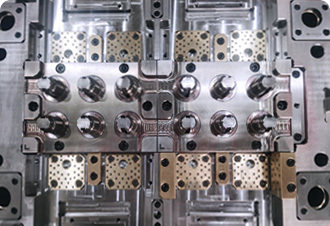
Mold Development
Has several high-precision CNC machine tools imported from Japan, focusing on the development of multi-cavity medical equipment molds
Discover More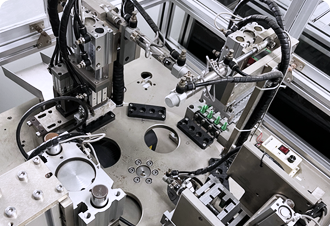
Automation Development
A number of fully automated production lines with independent research and development and intellectual property rights
Discover More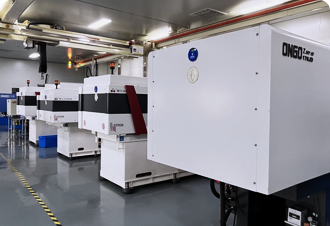
Equipment/ Processing Capability
Has the industry's high-end special film, precision plastic parts production equipment and production process
Discover More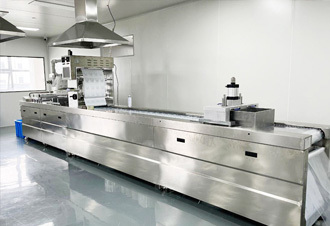
Packaging Capablility
100,000-level purification workshop intelligent packaging production line with customized solutions
Discover More
Service
Analytical testing capabilities
Perfect quality system, compliance
Development assistance capability CDMO
International service capability
Thanks to our long-term cooperation with customers in many different projects, we can flexibly design customized services
Discover More


If you have more needs?
Welcome your message, we will reply you in time.



355 Longjin Road, Changzhou Economic Development Zone, Jiangsu Province, China


DSB Medical – FDA & CE Approved Disposable Medical Supplies Manufacturer for Europe & USA. Privacy Policy | SEO